

Abstract
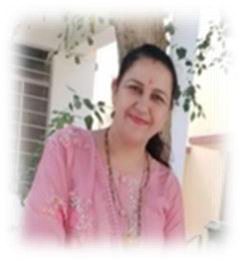
Rajasthani folklore is a vibrant and intricate tapestry that weaves together the cultural, historical, and social fabric of Rajasthan. Rani Laxmi Kumari Chundawat was a prominent author and politician known for her contribution to Rajasthani literature and culture. Ke Re Chakwa Vaat by Rani Laxmi Kumari Chundawat is a collection of Rajasthani folktales showcasing the rich cultural heritage and traditions of Rajasthan. These folktales impart moral lessons and ethical values, often through the actions and decisions of the characters. Light-hearted, witty tales and humorous anecdotes illustrate the cleverness and wisdom of the Rajasthani people. These stories often highlight the importance of intelligence and resourcefulness in navigating life’s challenges. Her writings celebrate women’s traditional roles while advocating for their empowerment and recognition in a changing society. Her folktales with ethical lessons serve to reinforce societal norms and values. The present research paper provides insights into the Rajasthani people portrayed by Rani Laxmi Kumari Chundawat in her stories that serve as a powerful reminder of the values of bravery, leadership, cultural preservation, resilience, and unity.
References
1. Chundawat, Laxmi Kumari. Folklore of Rajasthan. Translated by G. L. Mathur. Books Treasure, 1992.
2. Chopra, Prabha (Ed). Quotes of Sardar Patel. Publications Division: Ministry of Information and Broadcasting, Govt. of India. 2005.
3. Chundawat, Laxmi Kumari. “Rajasthani Story: Rajputaani.” Translated by Neeta Banerjee. Indian Literature, vol. 33, no. 5 (139), 1990, pp. 91–98. JSTOR, http://www.jstor.org/stable/23333034. Accessed 15 Apr. 2025.
4. Gupta, Anjali. Celebrations of Rajasthan: Teej and Gangaur. Heritage Books, 2020.
5. Keditsu, Theyiesinuo. “Folklore as Big History”. Journal of Big History, VI (1);1–6.DOI | https://doi.org/10.22339/jbh.v6i1.6101. Accessed 10 Apr. 2025.
6. Mahesh, Sapna. “Sapna Mahesh in conversation with Rani Laxmi Kumari Chundawat”. https://www.youtube.com/watch?v=z4r36Rs_6fc. Accessed 10 March 2025.
7. Sethia, Kanhaiya Lal. Dharti Dhora Ri. Kavita Kosh, Accessed 15 Apr. 2025.
8. Sharma, Gopal. Rajasthan Through the Ages. Jaipur Publishing House, 2018.
9. Sharma, Ramesh. Festivals of Rajasthan: A Cultural Odyssey. Jaipur Publishing House, 2018.
10. Singh, Raghubir. The History and Culture of Rajasthan. Rajasthan Heritage Press, 2015.
11. Singh, Sadhana. “Unveiling the cultural tapestry of Rajasthan: History, folklore, and preservation”. Int J Hist 2023;5(2):53-56. DOI: 10.22271/27069109.2023.v5.i2a.228. Accessed 15 March 2025.