


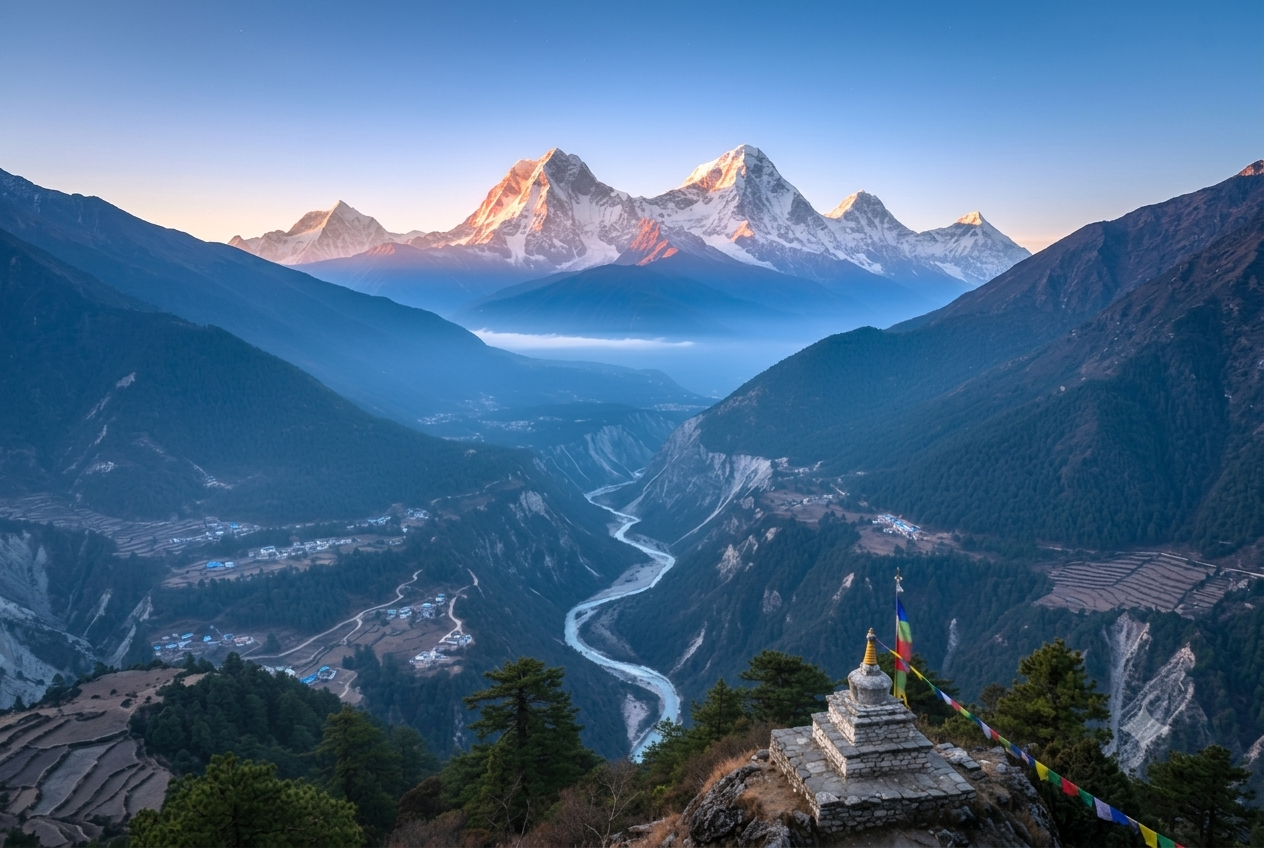
23rd & 24th February, 2027
Online Conference - 13th & 14th February, 2027
VII International Conference of the Caesurae Collective Society
Jointly organized by the Department of English & Department of Geography, Southfield College
Venue: Southfield College, Darjeeling
Concept NoteThe North-Eastern Himalayan regions in India, defined by their immense (bio)diversity and rich cultural tapestry, are a living laboratory for new ways of being on Earth – the ways that the inhabitants of the regions have known and practised for several centuries. As the world reels under the pressure of the increasing burden of anthropocentric discourses and seeks to understand and undo the damage they have caused by searching for and exploring the alternative ways, these regions can serve as a composite model for those who are seriously interested in symbiocenic ways of thinking, theorising and living.
The conference ‘Culture in the Symbiocene: Sustainable Pathways in the North-Eastern Himalayas and Beyond’ intends to make meaningful forays into the concept of the Symbiocene. The concept is more of a revival than a new arrival – the revival, albeit with modifications, of the very symbiocenic ways, patterns, lifestyles, outlooks and perspectives that our ancestors discovered and practised in close harmony with nature.
The conference is open to symbiocenic discourses from around the globe; however, thematically, the North-Eastern Himalayan regions stay at the centre stage. Since the spirit and essence of the symbiocene lie in inclusivity, the incorporations of discourses from beyond the geography of the North-East will serve the purpose of the conference better.
Conceived as a response to the challenges of the Anthropocene, this conference seeks to explore the implications of the transition to the new era of the Symbiocene through the critical frameworks of literature, cultural studies and the other allied disciplines. Coined by environmental philosopher Glenn Albrecht from the Greek roots for "living together" (symbiosis) and "new era" (-cene), the Symbiocene is an epoch in which humanity consciously re-establishes a life-affirming, mutually beneficial relationship with the planet. Moving beyond purely scientific or economic approaches, the conference will examine how literary narratives, folklores, and other forms of creative expressions of diverse communities from this region can provide the conceptual and emotional tools necessary to foster a truly symbiotic relationship with our planet. This conference will serve as a platform for scholars and artists to examine how cultural forms are not merely reflections of the environment, but also active agents in shaping our ecological future.
This conference is grounded in the belief that literature and cultural narratives are essential for cultivating a Symbiocene mindset. We will explore how oral traditions, myths, folklore, literary works and visual narratives of North-Eastern Himalayan communities encode profound traditional ecological knowledge (TEK). These cultural narratives, often passed down through generations, offer a deep understanding of local ecosystems, from sustainable farming practices to the preservation of sacred groves. They serve as a vital repository of wisdom that can inform contemporary environmental discourse.
We will examine how writers and artists articulate the emotional distress caused by environmental degradation, a phenomenon known as "solastalgia," and how they imagine new forms of human-nature coexistence. Their works can inspire a sense of "symbiophilia"—a love for living in a symbiotic world—that motivates collective action. Cultural studies will provide theoretical tools to deconstruct the power dynamics that drive unsustainable resource extraction and to identify and amplify community-led narratives of resilience and regeneration. By focusing exclusively on the humanities, this conference seeks to demonstrate their central role in not only documenting our ecological crisis but also in creatively imagining and actively building a sustainable and equitable future for the North-Eastern Himalayas and the world.
While rooted in the North-Eastern Himalayas, the conference also gestures towards the “beyond” — connecting local ecological knowledge with global indigenous cosmologies and comparative eco-cultural traditions. In doing so, it aims to situate the Himalayas in a broader planetary discourse on ecological justice, cultural memory, and regenerative futures. We also acknowledge the growing role of digital culture and new media in crafting ecological imagination. From social media-based eco-activist art to digital storytelling by local communities, these new forms bridge cultural expression beyond global spaces, connecting traditional wisdom with modern technology.
This conference will highlight the crucial role that the humanities play not only in documenting ecological crises but also in creatively envisioning and actively constructing sustainable and equitable futures for the North-Eastern Himalayas and the world. Adding to scientific and policy debates on climate resilience and biodiversity conservation, this conference will seek to maintain that the cultural factors are essential for successful, inclusive, and enduring pathways to the Symbiocene. By exploring the interconnections between biodiversity and cultural depth, the conference intends to cultivate a new shared awareness based on respect, reciprocity, and responsibility.
Simultaneously, the conference will also address philosophical and aesthetic perspectives such as posthumanism, affect theory, and ecocriticism that challenge anthropocentric patterns and encourage us to reconsider our own engagement with the more-than-human world. By combining indigenous traditions, artistic approaches, and critical theory, the event will promote an intellectual and artistic exchange on the cultural foundations of the Symbiocene.
Presentations and papers may include but may not be limited to the following rubrics:
- Conceptualizing the Symbiocene in Literature and Cultural Theory
- From Anthropocene to Symbiocene
- Literary Geographies and Eco-Spiritualities
- The Aesthetics of Sustainability
- Decolonizing the Symbiocene
- Indigenous Knowledge Systems and Cultural Heritage
- Oral Traditions and Ecological Wisdom
- Indigenous Storytelling as Resistance
- Folk and Traditional Arts
- Language, Livelihoods, and Biodiversity
- Media, Technology, and Cultural Representation
- Amplifying Indigenous Voices
- The Symbiocene in Film and Documentary
- Tourism and Cultural Sustainability
- Digital Archives and Cultural Preservation
- Gender, Community, and Livelihoods
- Ecofeminism in the Himalayas
- Food, Culture, and Agro-Ecology
- Community-Led Conservation
- Migration, Displacement, and Cultural Adaptation
- Interdisciplinary Dialogues and Policy Implications
- Literature as a Catalyst for Policy Change
- Bridging the Arts and Sciences
- Educational Pathways to the Symbiocene
- Philosophy, Aesthetics, and Posthumanism
- Theoretical frameworks for the Symbiocene
- De-centering the human: posthumanist and eco-aesthetic approaches
- Digital Humanities and Eco-Culture
- Digital storytelling, eco-activism, and environmental communication
- Virtual spaces as new terrains of ecological imagination
- Artistic Interventions and Creative Practices
- Eco-poetry, performance, and visual arts as ecological acts
- Exhibitions, installations, and participatory art for sustainability
- Future Pathways and Policy Dialogues
- Humanities and cultural studies in shaping environmental policy
- Building bridges between traditional wisdom and contemporary sustainability discourses
- Sacred landscapes
- Music and ecology
- Religion, rituals and ecology
- Human and Wildlife interaction
- Climate change and natural disasters
After the conference selected papers will be published in a volume by an international publisher and in our ejournal:
Caesurae: Poetics of Cultural Translation (ISSN 2454-9495)
Please send your Abstracts in about 500 words to [email protected]
- Deadline: 15th November, 2026
- Acceptance of Abstracts within one week.
- Registration process should be completed within 7 days of acceptance of Abstracts.
- Registration Fees - Rs. 2500 for Professors, Rs. 1500 for students & research scholars + Caesurae Membership Fee - Rs 500 (Annual) / Rs 5000 (Life )
- Accommodation has to be arranged and suggestions might be offered by the organisers if required.
- Participants who wish to attend the conference without presenting a paper may register by paying a registration fee of Rs.1000 through the bank details provided and completing the Google Form registration using the link provided.
- Google Form Link - https://forms.gle/VTSANWp2mWqNJ23a8
** It is mandatory to take Caesurae membership for participating in our conferences. If you are a Life Member you must only pay the Registration Fee. If you are an Annual Member and have not renewed your membership either you become a Life Member or take an Annual Membership.
- How to pay Registration fee and Membership fee?
- Once we accept your abstract, we will send you our Bank details and a Google Form link.
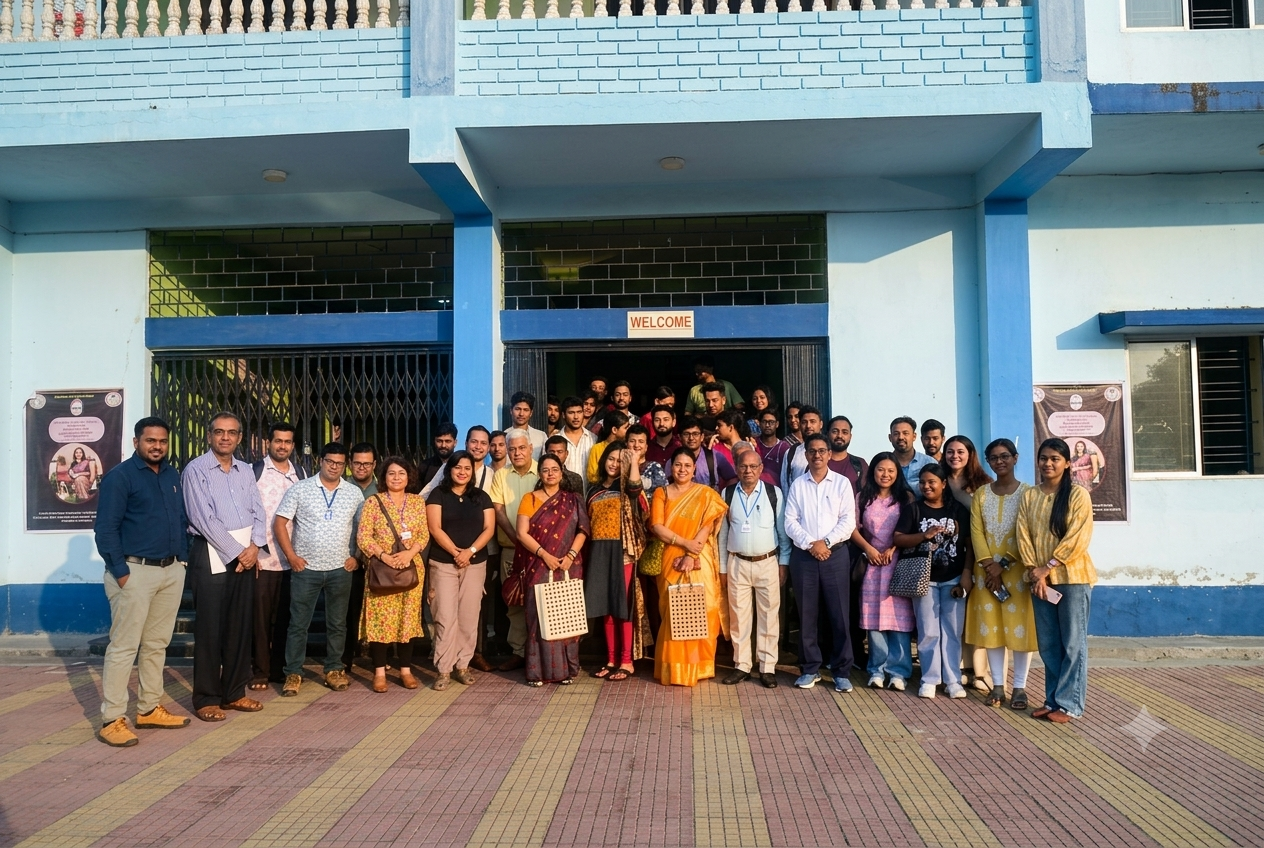
Caesurae Collective Society is a registered non-profit organization devoted to academic and cultural activities. We organize academic seminars, creative writing, music, dance, film, graphic arts, photography, and art workshops and events. Our organization prides itself on members who come from different disciplines. We have academicians who are creatively inclined, and we have professionals from different cultural streams. Caesurae Collective Society intends to bring together creative arts with academic discursiveness on culture and cultural translation. If you have the creative and/or academic zeal in you, and wish to become one of “us”, you just have to write to [email protected] with your interests and a brief note about yourself. Our multi-media E-Journal (International, double blind peer reviewed journal), Caesurae: Poetics of Cultural Translation(ISSN 2454-9495), is free for readers and contributors. However, one is required to become a member to participate in our conferences and workshops.
For queries contact - 91 8981346335, 91 9674116691, 91 9609984496 or email to [email protected]